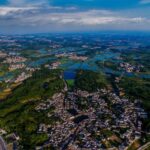
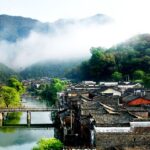
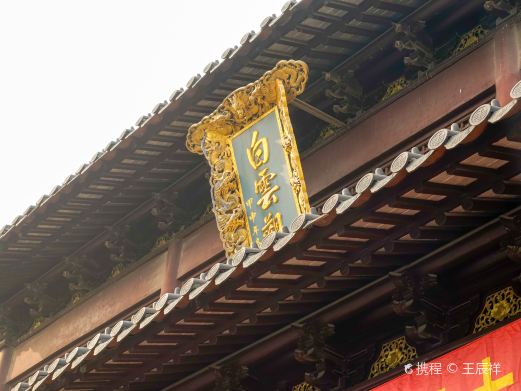
Linggu Scenic Area is located on the southeast slope of Zhongshan Mountain (Purple Golden Mountain), approximately 1.5 kilometers to the east of the Sun Yat-sen Mausoleum. It is one of the three major scenic areas within the Zhongshan Scenic Area, with fewer visitors compared to the other two, the Sun Yat-sen Mausoleum and the Ming Xiaoling Mausoleum. The area is known for its towering ancient trees and the reputation of ‘Linggu Deep Pines’, providing a serene ambiance.
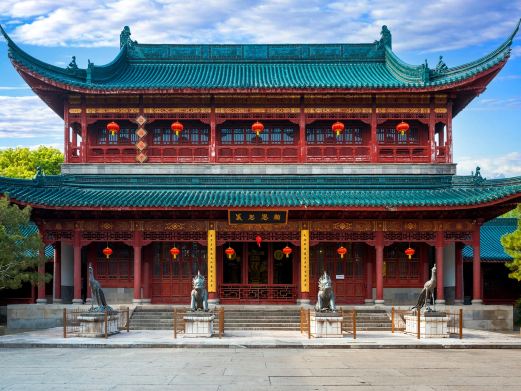
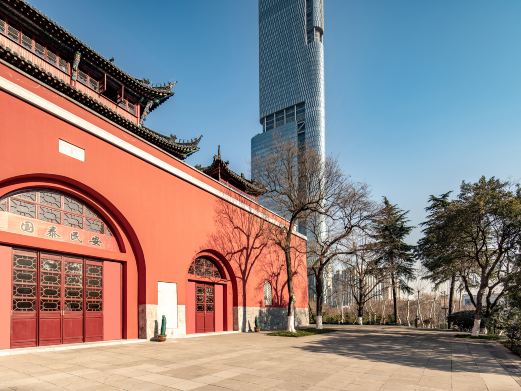
The history of the scenic area dates back to the Ming Dynasty when Emperor Zhu Yuanzhang relocated a famous temple from the Southern Dynasties to its current location to build the Ming Xiaoling Mausoleum. The temple was later destroyed in warfare and reconstructed during the Tongzhi era of the Qing Dynasty, but it was no longer on the same scale as before. Subsequently, a public cemetery for the deceased soldiers of the National Revolutionary Army was built here. Therefore, the Linggu Temple Scenic Area is a combination of an ancient temple and a cemetery. The central axis, running north-south for 1 kilometer, is the site of the original Linggu Temple, and the main structure on this axis now is a series of buildings for the public cemetery of the National Revolutionary Army’s deceased soldiers. The main entrance of the National Revolutionary Army’s deceased soldiers’ archway, known as the Red Mountain Gate, is located at the southern end, with a large release pond, the Wanguo Pond, outside the gate, where lotus flowers can be admired in the summer. Upon entering and moving north, one first encounters the archway of the National Revolutionary Army’s deceased soldiers, which is a five-door and six-column structure with a green glazed tile roof, exuding an extraordinary aura, and a pair of stone animals in front of the archway. Further ahead is the distinctive building of the scenic area, the Wu Liang Hall. Wu Liang Hall is the only remaining building from the Ming Dynasty’s Linggu Temple, built in the 14th year of the Hongwu era (1381 AD). This large hall is constructed without any beams or columns, using only bricks and stones. Inside the hall is the sacrificial hall of the cemetery, with the central wall inscribed with ‘The Spirit of the Martyrs of the National Revolution’, and the surrounding walls embedded with ‘Lists of Deceased Soldiers of the National Revolution’. The Wuxu Revolution Celebrity Wax Museum is also located inside Wu Liang Hall. Southwest of the hall, there is a huge stone turtle from the Ming Dynasty, with the stone tablet on its back now missing. To the north of Wu Liang Hall is the first public cemetery for the deceased soldiers, with the Songhu Anti-Japanese War Martyrs Monument standing tall. The second and third public cemeteries are located 300 meters to the east and west, respectively, where soldiers who sacrificed their lives in the Northern Expedition and the Anti-Japanese War are buried. The second public cemetery on the east side was later transformed into the tomb of Deng Yanda, the founder of the Revolutionary Alliance. Behind the arc-shaped wall of the first public cemetery is the Songfeng Pavilion, originally a memorial hall for the cemetery, now selling special snacks and small souvenirs. To the east of Songfeng Pavilion is the Shensongju Vegetarian Restaurant, where one can enjoy vegetarian meals. The Sanjue Stele originally belonged to the Kaishan Temple built by Emperor Wu of the Southern Dynasties’ Liang Dynasty in memory of the monk Baozhi (the prototype of Ji Gong). The Pagoda of Bao Gong and the Sanjue Stele to the west of Songfeng Pavilion are derived from this temple. The stone tablet is named ‘Sanjue’ because it has paintings by Wu Daozi, poems by Li Bai, and inscriptions by Yan Zhenqing. Unfortunately, both the pagoda and the stele were later destroyed. They were rebuilt during the Tongzhi era of the Qing Dynasty, and the Sanjue Stele is now embedded in the pagoda body with indistinct calligraphy and paintings. There is also a clear new Sanjue Stele behind the Zhigong Hall nearby.The Linggu Tower, also known as the Memorial Tower for the Martyrs of the National Revolutionary Army, is located at the northernmost end of the central axis and stands at nine stories high, serving as a landmark of the scenic area where visitors can ascend for a panoramic view. Adjacent to the east of the Hall of No Beams in Linggu Temple stands the present-day Linggu Temple, with a square pond of water known as the Eight Waters in front of the temple. Inside the temple complex, there are structures such as the Mahavira Hall, the Avalokitesvara Pavilion, the Sutra Repository, the Maitreya Hall, and the Ancestral Hall. The eastern wing of the Mahavira Hall is the Xuanzang Court, where the main hall, the Great Daojue Hall (Xuanzang Memorial Hall), enshrines a mini golden pagoda containing the top bone relics of Xuanzang, which are extremely precious and typically not visible to the public, only displayed during special exhibitions held at Linggu Temple. Within the Linggu Temple scenic area, there are also several secluded yet noteworthy attractions. Heading north from the ‘Deep Linggu Pines’ stone tablet to the east of Linggu Temple, or traveling east from Linggu Tower, one can encounter the tomb of Tan Yankai, who once served as a leader in the Republic of China’s government. The white marble peony flower beds and altar there are said to be original pieces from the Old Summer Palace. Traveling west from Linggu Tower and passing through the Garden of Ten Thousand Osmanthus Trees, one can find the Guilin Stone House, whose ruins are adorned with various stone carvings from the Ming and Qing dynasties, exuding a sense of broken beauty. Opening Hours: 06:30-18:30 from 02/01 to 11/30; 07:00-17:30 from 12/01 to 01/31. Preferential Policies: Children under 6 years old (inclusive) or under 1.4 meters in height (inclusive) enter for free; those aged 6 (exclusive) to 18 (inclusive) with valid identification receive a half-price ticket. Elderly individuals aged 70 and above (inclusive) with valid identification enter for free; those aged 60 to 69 (inclusive) with valid identification receive a half-price ticket. Students with full-time undergraduate or lower-level academic status with valid identification receive a half-price ticket. Disabled individuals with valid identification enter for free; severely disabled individuals (levels 1 and 2) may bring one accompanying person for free entry. Families of martyrs, military personnel who died in service, or those who passed away due to illness, with the ‘People’s Republic of China Martyr, Military Personnel who Died in Service, or Sick Military Personnel Family Member Preferential Treatment Certificate’, enter for free. Active military personnel, retired military officers, and non-commissioned officers (sergeants), as well as those receiving national pensions and subsidies with valid identification and holding the ‘People’s Republic of China Veteran Preferential Treatment Certificate’, enter for free. Firefighters, including active, retired, disabled firefighters, fire rescue academy students, and government-employed firefighters, with valid identification, enter for free. Buddhist clergy and staff, as well as believers who have undergone religious ceremonies and hold Buddhist layperson certificates or conversion certificates, enter for free to visit religious sites within the Linggu scenic area. Blood donors in Jiangsu Province who have received national awards for voluntary blood donation, hematopoietic stem cell donation, lifelong honorary awards for voluntary blood service, or titles of honor for righteous and brave actions, enter for free. Nanjing medical staff from January 2023 to December 2025, with valid work identification from medical institutions within Nanjing and a resident ID, can bring 1-2 direct relatives for free visits with valid proof of direct kinship. Service Facilities: Parking Lot – [Scenic Area Parking Lot] Reference Price: ¥7.
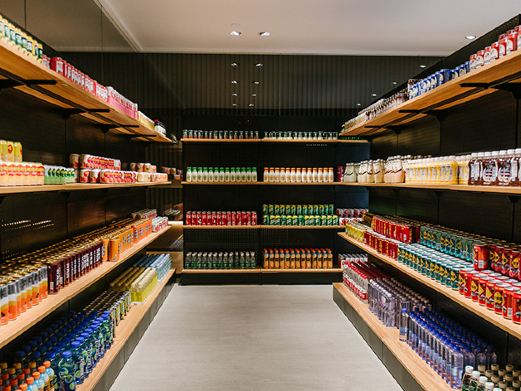
Duration: 5/15 minutes; Address: Taipingmen Road, Ming City Wall, Mingling Road, Meihua Valley Road, Lingyuan Road, Scenic Greenway (Shi Chao Cultural Park, Boai Garden), Boai Road, Boai East Road, Post Office West Road, Post Office East Road, Linggu Temple Road, Linggu Scenic Area, Youth Road, Totaling Scenic Area, Zijin Mountain Cableway, Observatory Road, Cableway Lower Station Entrance, within the enclosed area; Lockers: Reference price: 10 yuan per piece per day; Address: Tourist Service Center. Scenic Area Explanation: Line A: Full Line (Hongshan Gate, Wu Liang Hall, No. 1 Cemetery, Songfeng Pavilion, Linggu Tower) for 30 people (inclusive) or less, manual explanation 95 yuan for 60-70 minutes, for more than 30 people, manual explanation 100 yuan for 60-70 minutes, automatic guide charging 10 yuan; Line B: Hongshan Gate, Wu Liang Hall, for 30 people (inclusive) or less, manual explanation 45 yuan for about 30 minutes, for more than 30 people, manual explanation 50 yuan for about 30 minutes. Park Transportation: Reference price: 10 yuan per ride; Address: Medicago Sativa Garden Subway Station, Zhongshan Mausoleum Parking Lot, Linggu Scenic Area Entrance. Restrooms: The scenic area has multiple restrooms, which can be used according to the guide signs. Convenience Stores: There are several convenience stores in the scenic area, located near the entrance of the scenic area, supporting WeChat and Alipay payments.