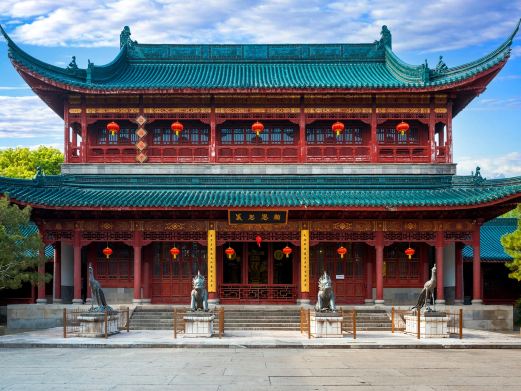
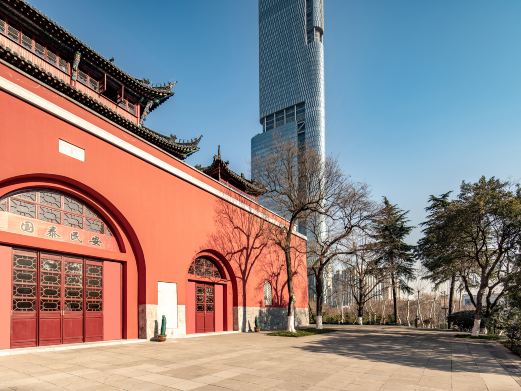
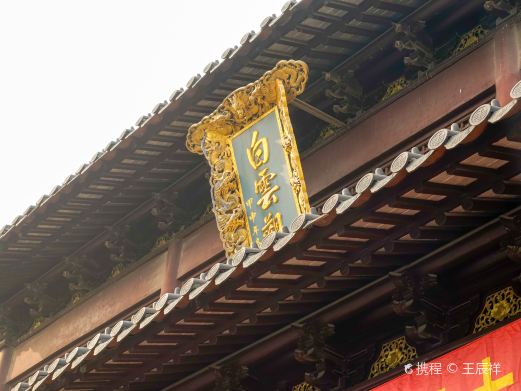
Qinhuai River, a tributary on the right bank of the lower reaches of the Yangtze River, was historically known as Longzangpu and later referred to as Huai River during the Han Dynasty. After the Tang Dynasty, it was renamed Qinhuai. The river has two sources, the northern source being the Jurong River originating from the southern slopes of Baohua Mountain in Jurong City, and the southern source, Lishui River, originating from Dongjing Mountain in Lishui District, Nanjing City.
The two rivers converge at Fangshan Dian, northwest of Jiangning District, Nanjing City, forming the main stream of Qinhuai River. It flows around Fangshan, northwest to the outer city gate Shangfang Gate, entering Nanjing City from the east water gate, and stretches across the city from east to west, exiting from the west water gate and merging into the Yangtze River. Qinhuai River is the mother river of Nanjing, witnessing the entire development of Nanjing’s civilization. With its rich cultural heritage and natural conditions, it became the residence of the gentry during the Six Dynasties. The Ming and Qing Dynasties marked the peak of development along the banks of Qinhuai. Open all year round, accessible 24/7.Qinhuai River
Qinhuai River, a tributary on the right bank of the lower reaches of the Yangtze River, was historic[...]