Guilin Park is located at No. 128 Guilin Road, covering an area of 3.55 hectares. It was initially constructed in 1929 with an investment of 3.5 million silver dollars and was completed in 1932.
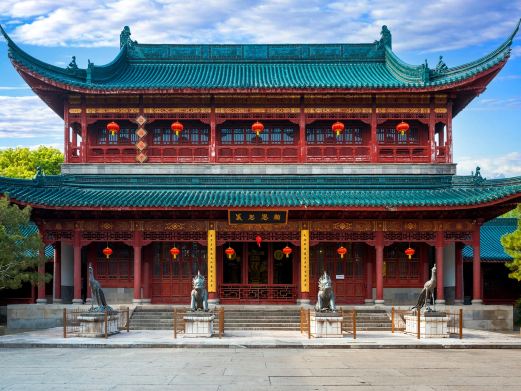
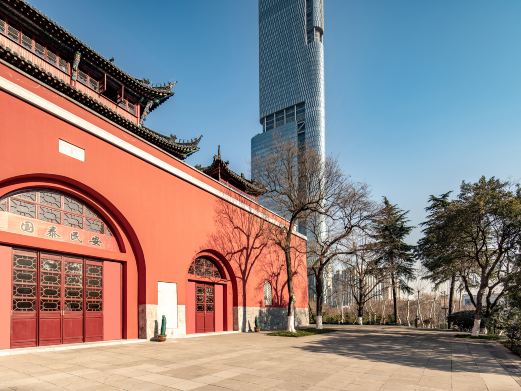
Guilin Park is designed with the traditional techniques of Jiangnan classical gardens, featuring an exquisite and unique layout. The park is adorned with grotesque rocks, small pools, pavilions, and surrounded by ancient pines and cypresses, forming a harmoniously integrated architectural complex. The park is home to 23 varieties of osmanthus trees, including golden, silver, and red osmanthus, with over 1,000 trees in total. During the Mid-Autumn Festival, the osmanthus flowers bloom, filling the park with a fragrant aroma that is both refreshing and invigorating. Guilin Park’s garden art employs traditional Jiangnan classical landscaping techniques, creating an intricate and elegant layout. The park features dragon walls, flower walls, small bridges over flowing water, layered mountains, peaks, pavilions, scattered pavilions, winding paths, lush flowers and trees, and a harmonious overall design. Architectural structures such as the Ha Ha Pavilion, Lingyun Pavilion, Songyue Pavilion, Yi Pavilion, Ba Xian Platform, Guanyin Pavilion, Si Jiao Hall, Welcome Hall, Osmanthus Hall, Feixiang Hall, Jiuqu Corridor, Ban Ru Fang, ‘Double Rainbow Lying on Waves’, and arch bridges, are set against the backdrop of grotesque rocks, clear pools, and ancient pines and cypresses, forming the perfect and unified Guilin Park. The park is planted with over 1,000 golden, silver, and red osmanthus trees of 23 varieties. Every year during the Mid-Autumn Festival, the park is filled with fragrance. The annual Osmanthus Festival is one of its major features. Guilin Park is open all year round from 05:00 to 19:30.Guilin Park
Guilin Park is located at No. 128 Guilin Road, covering an area of 3.55 hectares. It was initially c[...]