
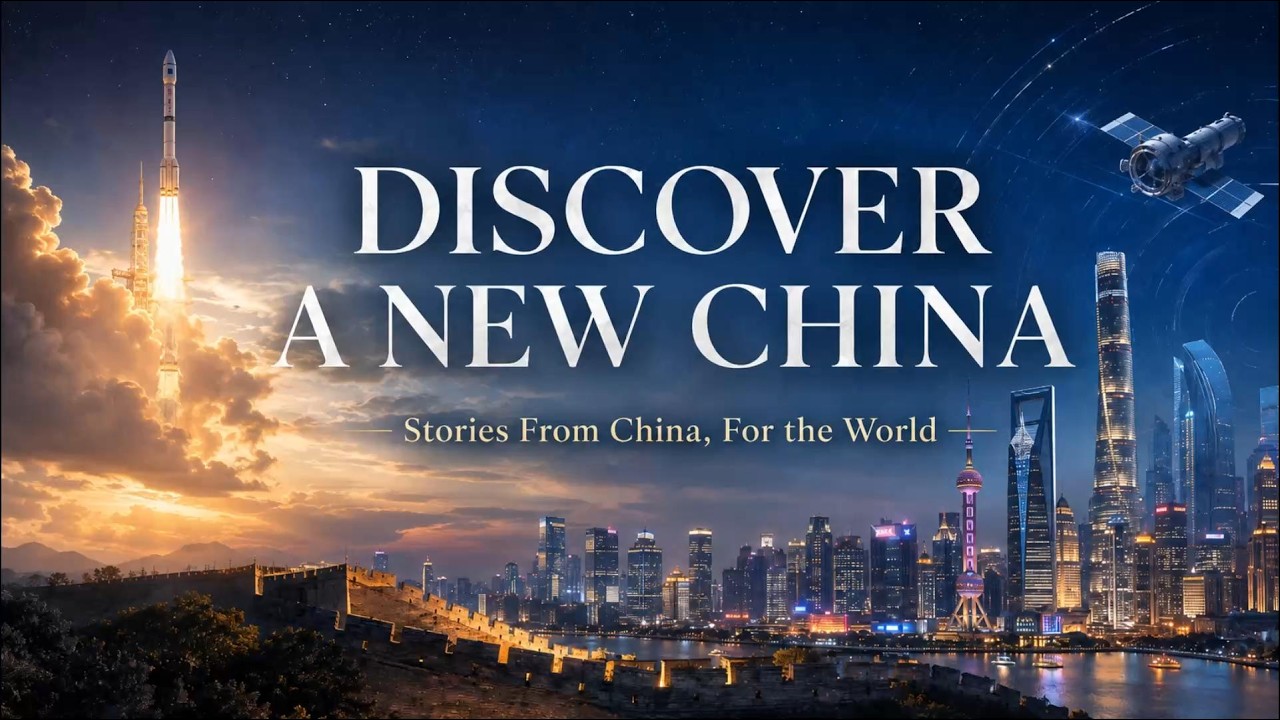
One month is a long time on YouTube. In August 2026, New China TV — the English-language YouTube channel of Xinhua News Agency, one of the world’s largest news-gathering and distributing organizations — published a 43-second trailer inviting the world to discover more about China. In September, it did it again: a new 59-second cut, carrying the same title and the same invitation. That second trailer sits at the top of this page. Two trailers in two months is not indecision; it is a quiet statement that the story is moving fast enough that even the doorway needs redecorating. If the first trailer worked as an introduction, this one reads as a progress report — evidence that the channel’s picture of China has already outgrown its first edit.
Why a Channel Refreshes Its Trailer
A trailer is a channel’s handshake: the one video a channel chooses to show strangers before it shows them anything else. Updating it is deliberate housekeeping. Most channels set a trailer once and forget it for years. A channel that re-cuts its own introduction within thirty days is signaling two things at once — that its camera teams have come back with material worth showing off, and that it expects enough new visitors to justify polishing the front door. Nearly 600,000 people have already watched this minute-long version, which suggests the front door is doing its job. For viewers, the practical effect is simple: what you see above is not an archive piece but the channel’s current face, assembled from its freshest reels.
The Five-Word Promise
The title stays the same because the promise does. “Discover more about China” is less a slogan than a working method: each upload adds one more piece to a very large picture, whether the subject is a bridge, a bowl of noodles, or a policy that will move markets. A tagline that specific could age badly if the channel chased trends; instead it doubles as a standard the channel has to keep meeting. Two trailers later, the five words have held their meaning.