
The Supply Chain You Never See
The second everyday gift is less visible: resilience. A modern product is not made in a country; it is made across a region. A single gadget may be designed in one economy, its chips fabricated in another, its screen and battery assembled in a third, and shipped from a fourth. During the pandemic years, the world learned how quickly that lattice can snag — and how expensive a snagged supply chain is for everyone who waits. APEC’s work on smoother customs, compatible standards and redundant logistics is not glamorous, but it is the difference between empty shelves and stocked ones, between price spikes and price stability. When the video mentions “more resilient supply chains,” it means your deliveries arriving on time at a price you recognize.
Why Shenzhen
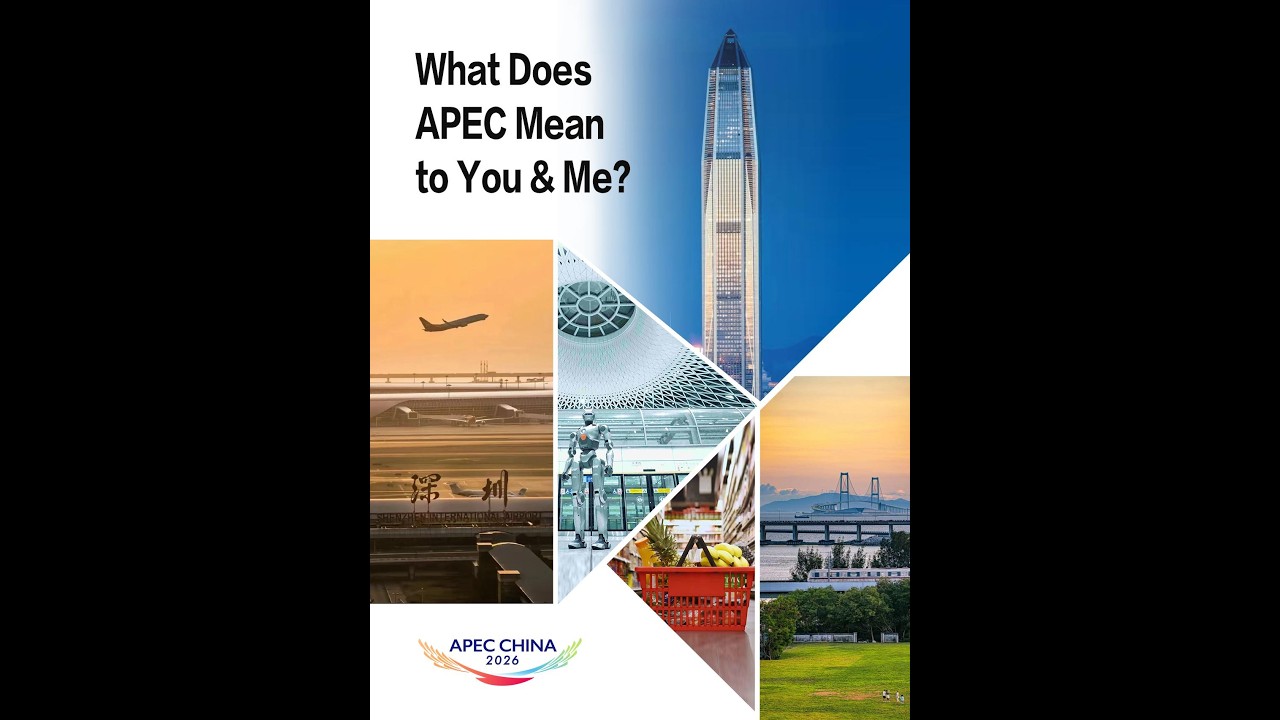
The choice of host city is its own argument. Four decades ago Shenzhen was a fishing town adjacent to Hong Kong; designated a special economic zone in 1980, it became one of the fastest-growing urban stories in history — the hardware capital of the planet, the place where an idea can become a prototype in a week and a product in a month. It is a city that exists because the Pacific decided to trade with itself. Hosting the region’s economic leadership there is not neutral geography; it is a demonstration. Every delegate who arrives in Shenzhen is arriving at the destination of the very policies APEC exists to advance — proof of concept, with a skyline.
The Quiet Argument of the Video
What distinguishes the film is where it chooses to stand. Summits are usually covered from the inside — podiums, handshakes, communiqué language. This one is narrated from the outside, from the vantage of an ordinary resident whose connection to APEC is a cheaper blender, a steadier job and parcels that arrive when promised. It is a reminder that the entire machinery of regional cooperation is ultimately a consumer-protection program at continental scale — slow, bureaucratic and, over decades, quietly effective.