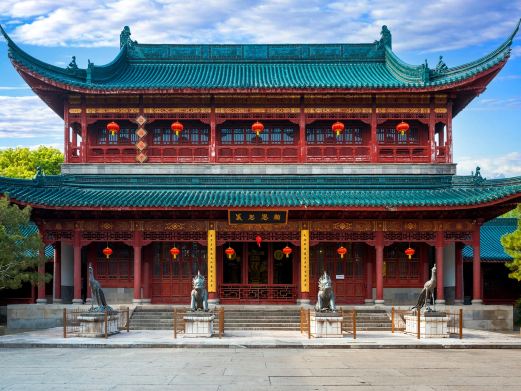
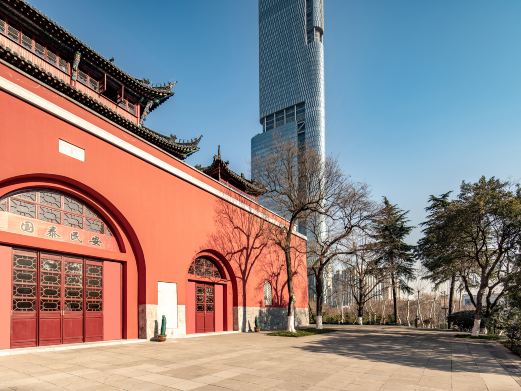
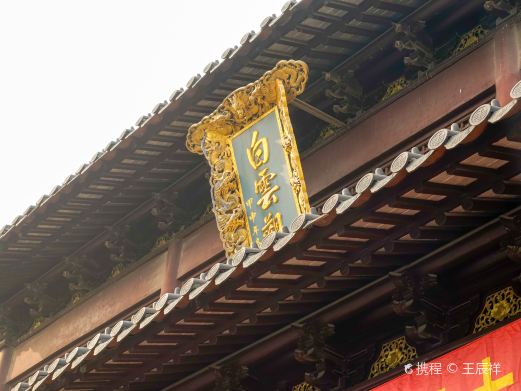
Chang Garden, located in Miaotang Street, is a Qing Dynasty residence garden. Situated to the east of the residence, it covers an area of approximately one mu. Chang Garden is a quintessential example of a small Suzhou garden, constructed in the late Qing Dynasty by a garden owner surnamed Pan. The garden’s design is exquisite with a small area but a clever layout, offering a rich and multi-layered garden view, characterized by its delicate and exquisite features.
Upon entering the garden through its gate, one encounters the Osmanthus Hall, with a small courtyard behind the hall that originally housed osmanthus and phoenix trees. Opposite the courtyard is the Tonghua Study, and beyond the study, the entire garden scenery unfolds. The pond occupies about a quarter of the garden’s area, surrounded by a shoreline of layered lake stones, creating a winding and uneven edge. At the southern end, a five-segment stone slab bridge divides the pond into two. Along the shore, white-barked pines, wisteria, pomegranates, and osmanthus are sparsely planted. Following the east garden wall to the north, the corridor winds and undulates, hugging the water and the wall. In the middle, there are two pavilions: a hexagonal Yanhui Chengqu Pavilion and a square Qi Jian Pavilion. Between the two pavilions, bamboo and stone pieces are tastefully arranged, creating a simple and fresh atmosphere. Beyond the square pavilion, one arrives at the main hall of the garden, Liuyun Shanfang. Named after clouds, the hall conveys a sense of detachment and tranquility. In front of the hall is a platform overlooking the pond, which is also a primary viewing spot in the garden. The garden is open to the public all year round from 10:00 to 17:00.Chang Garden: A Typical Suzhou Small Garden
Chang Garden, located in Miaotang Street, is a Qing Dynasty residence garden. Situated to the east o[...]